The Psychological Effects of War on Society: Invisible Wounds and Collective Trauma
Meta Description: Explore the profound psychological impacts of war on society. A detailed analysis of collective trauma, intergenerational transmission, and societal anxiety.
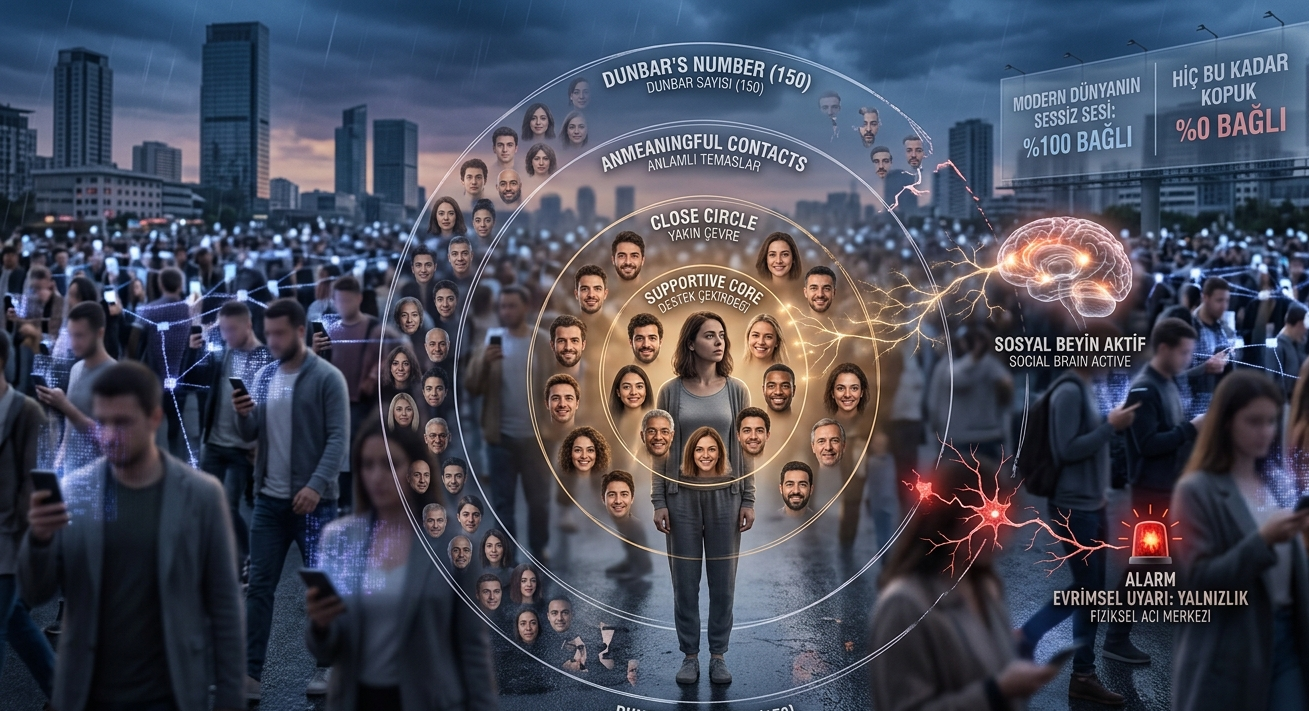
War creates a collective trauma that transcends individuals and encompasses the entire society. The fundamental belief that “the world is a safe place,” which forms the bedrock of a community, is shattered. This leads to a state of constant hyper-vigilance and a sense of alienation among individuals.
- Erosion of Trust: Faith in institutions, fellow citizens, and the future is weakened.
- Social Fragmentation: The polarization brought by war can sever the bonds of solidarity within a society.
The effects of war are not limited to those who experience it firsthand. The fear, grief, and stress experienced by parents are passed down to subsequent generations through parenting styles and narratives. Scientific studies show that severe trauma can cause anxiety disorders even in grandchildren through epigenetic pathways or behavioral modeling.
The most tangible psychological consequence of war is the increase in Post-Traumatic Stress Disorder (PTSD) cases across the general population. However, this is not limited to soldiers; civilians exhibit similar symptoms:
- Flashbacks: Constant mental re-triggering of painful moments from the past.
- Emotional Numbing: Becoming unresponsive or detached from surrounding events.
- Hyper-vigilance: A state of extreme alertness and being easily startled by the slightest noise.
Under normal circumstances, the grieving process is completed through specific rituals. However, during wartime, this process is disrupted by “ambiguous losses” (missing loved ones, inaccessible funerals). Unresolved grief lays the groundwork for chronic sadness and outbursts of anger within the community.
Despite the devastating effects of war, societies possess the capacity to develop psychological resilience. The healing process can be supported by the following steps:
- Open Communication: Ensuring traumas are not swept under the rug but are openly discussed.
- Social Support Networks: Strengthening neighborhood and community ties.
- Psychosocial Intervention: Professional support provided through state institutions and NGOs.
In Summary: The physical debris left by war can be cleared, but lifting the mental rubble is a long journey that requires professional support and societal compassion.
- Psychological effects of war
- What is collective trauma?
- Societal psychology and war
- Intergenerational trauma transmission
- Post-war social structure
Author: DİLARA KARABACAK