The Silent EpidemicUnderstanding Anxiety Disorders in the United States
In the fast-paced, high-pressure environment of the 21st century, the United States is facing a significant mental health challenge. According to the National Institute of Mental Health (NIMH), Anxiety Disorders are the most common mental illness in the U.S., affecting over 40 million adults every year—roughly 19.1% of the population.
While anxiety is a natural response to stress, for millions of Americans, it becomes a persistent, overwhelming hurdle that interferes with daily life.
The Landscape of Anxiety in America
Anxiety in the U.S. isn’t a “one-size-fits-all” condition. It manifests in several distinct forms, each with its own set of challenges:
- Generalized Anxiety Disorder (GAD): Characterized by chronic, excessive worry about everyday things like health, money, or family.
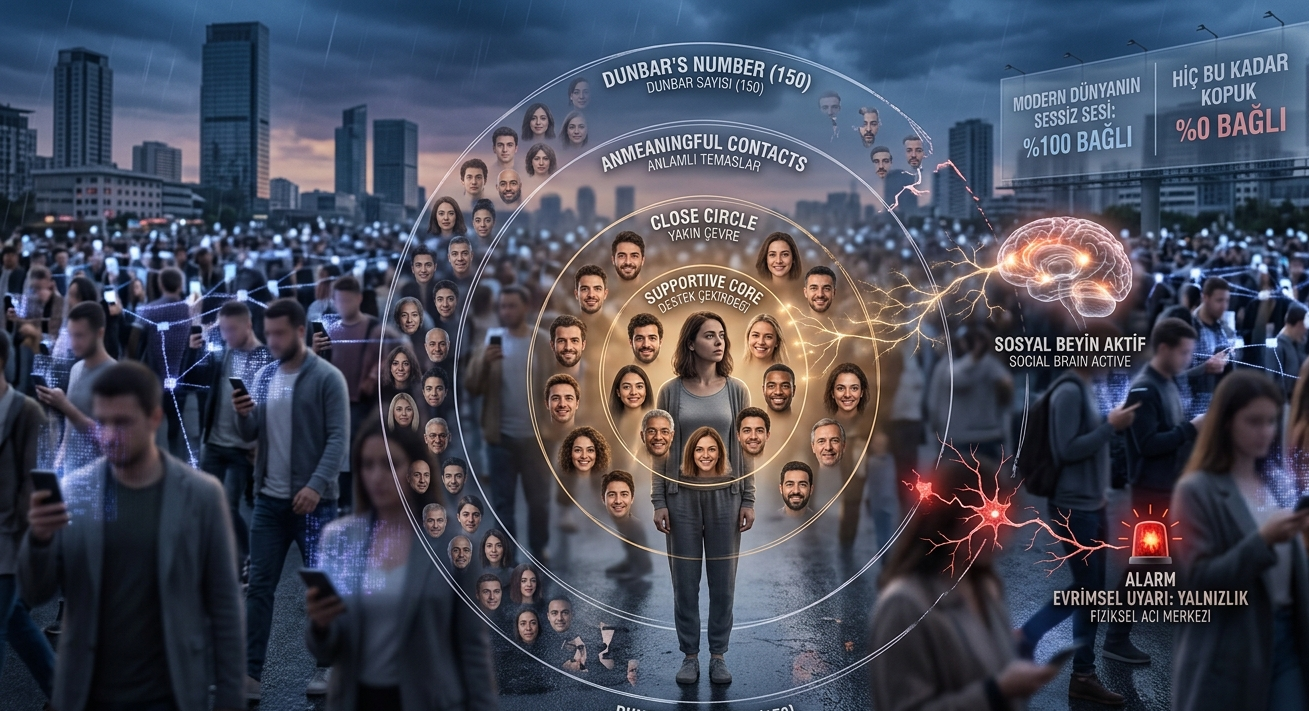
- Social Anxiety Disorder: An intense fear of being judged or rejected in social or performance situations. This is particularly prevalent among Gen Z and Millennials in the digital age.
- Panic Disorder: Sudden episodes of intense fear accompanied by physical symptoms like heart palpitations and shortness of breath.
- Post-Traumatic Stress Disorder (PTSD): While a separate category, it is closely linked to anxiety, particularly among America’s veteran population and survivors of trauma.
Why is Anxiety So Prevalent in the U.S.?
Researchers point to a “perfect storm” of cultural and systemic factors that contribute to high anxiety rates in America:
- The “Hustle Culture”: The American emphasis on constant productivity and professional success creates a baseline of chronic stress.
- Economic Uncertainty: Rising costs of living, healthcare expenses, and job market fluctuations are primary triggers for GAD.
- The Digital Divide: Constant connectivity through social media has led to increased “Social Comparison” and “FOMO” (Fear of Missing Out), fueling social anxiety.
- Increased Awareness: Unlike previous decades, Americans are now more likely to seek help and receive a formal diagnosis, which contributes to higher reported statistics.
##
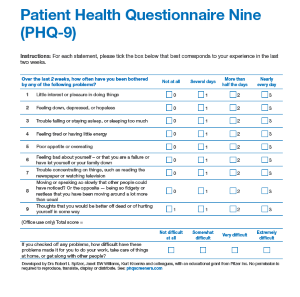
Anxiety is more than just “feeling nervous.” It is a physiological state that affects both mind and body. Common symptoms include:
- Persistent feelings of restlessness or being “on edge.”
- Difficulty concentrating or mind going blank.
- Muscle tension and sleep disturbances.
- Avoidance of social situations or specific triggers.
##
The good news is that anxiety disorders are highly treatable. In the U.S., a combination of traditional and modern approaches is helping millions reclaim their lives:
- Cognitive Behavioral Therapy (CBT): The gold standard for anxiety treatment, helping patients “rewire” negative thought patterns.
- Mindfulness and Meditation: Increasingly integrated into clinical settings to help patients manage physiological arousal.
- Telehealth Revolution: The rise of online therapy platforms has made mental health support more accessible for those in rural areas or with busy schedules.
- Medication: When necessary, SSRIs or other medications prescribed by healthcare professionals provide a stabilized foundation for recovery.
As anxiety becomes more widely discussed in American households and workplaces, the stigma surrounding mental health continues to fade. Understanding that anxiety is a manageable medical condition—not a personal failure—is the first step toward a healthier society.
Are you or someone you know struggling with anxiety? You are not alone. Resources like the Substance Abuse and Mental Health Services Administration (SAMHSA) hotline offer 24/7 support for those in need.
WRITTEN BY:DİLARA KARABACAK