Why Do We Feel Lonelier as Our Social Media Following Grows?
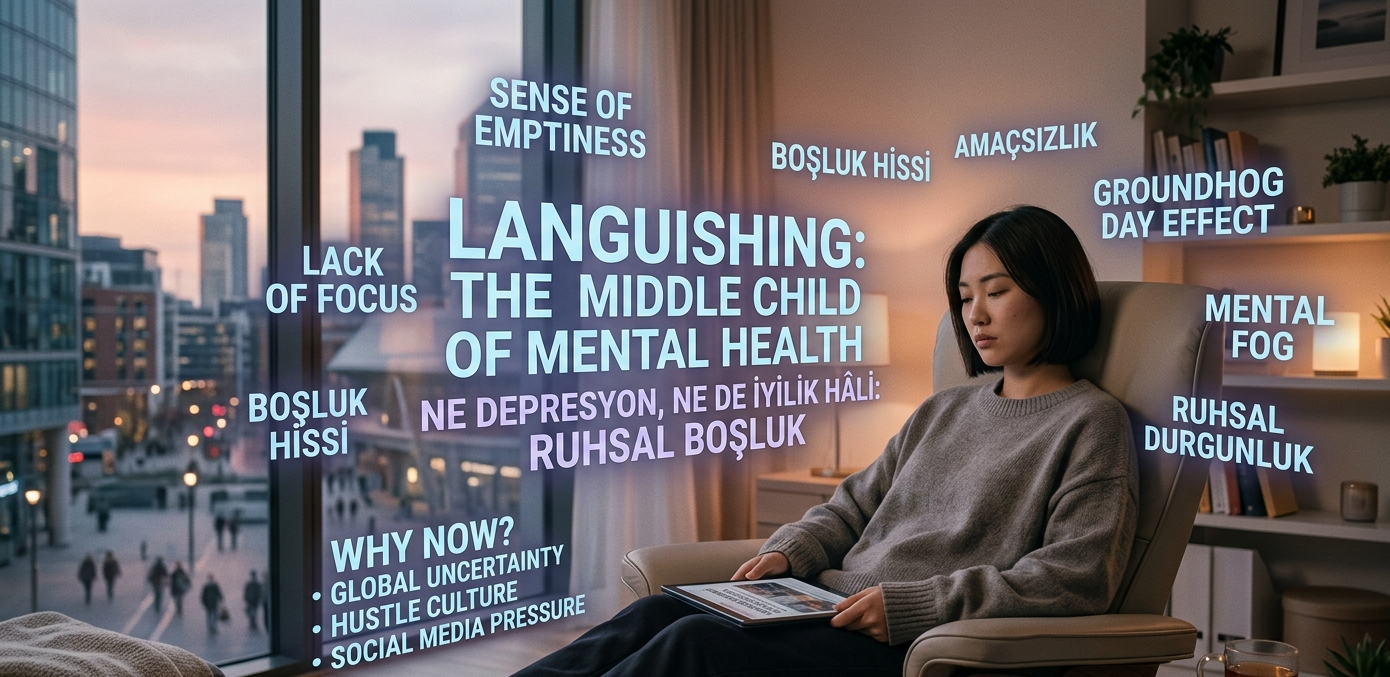
In today’s world, technology has made us more “connected” than ever before. Yet, paradoxically, as we immerse ourselves in our smartphone screens, an internal sense of emptiness continues to grow. This emerging phenomenon, surfacing amidst thousands of followers, hundreds of likes, and endless notifications, is what psychology defines as “Artificial Loneliness.”
So, why does our soul feel so desolate while appearing so “crowded” in the digital world? Here are the psychological truths behind this modern-age epidemic.
Quantity vs. Quality: The Shallowness of Digital Bonds
Most interactions on social media are merely “micro-connections.” While liking a photo or sending an emoji triggers a brief dopamine rush in the brain, it fails to provide the depth required for a genuine social bond.
- Weak Ties Theory: Most people in our social networks fall into the “weak ties” category. The “strong ties”—those who would truly stand by us during a crisis—often get lost in the digital noise.
- Biological Deficiency: Face-to-face communication involves eye contact, scent, and touch, all of which trigger the release of oxytocin, the “trust hormone.” Since this biological exchange is absent behind a screen, the brain perceives the connection as “incomplete.”
The Social Comparison Trap and the “Highlight Reel” Effect
In a world where others share only their happiest, most successful, and most stylish moments, we tend to compare our own raw and unfiltered lives with their curated versions.
- Upward Comparison: Constantly viewing others’ “highlight reels” leads us to view our own lives as “inadequate.” Research shows that as social media usage time increases, self-esteem often decreases, leading to a heightened sense of isolation.
The Gap Between the Fake Self and the Real Self
To exist on social media, we often construct a “digital identity” that is filtered and designed for social approval.
- The Fatigue of Masking: If the likes you receive are directed at your “flawless” persona rather than your authentic self, it only deepens your loneliness. This is because the person being liked and approved of is the mask you’ve created, not you.
Fear of Missing Out
Seeing others constantly having fun, learning new things, or achieving success somewhere else creates a sense that we are “being left out of life.” FOMO keeps us tethered to our screens while simultaneously severing our ties with the physical people around us.
Artificial loneliness is not a destiny; it is a result of habits. You can try these methods to break the cycle:
- Shift from Passive Consumption to Active Communication: Instead of just scrolling through your feed, send a message to a friend you truly care about or give them a call. Deepen the interaction.
- Practice a Digital Diet: Unfollow accounts that make you feel bad, inadequate, or envious. Your feed should be nourishment for your soul, not a source of stress.
- Create Phone-Free Zones: Keeping phones away from the dinner table or the bedroom increases your capacity to “stay in the moment,” strengthening your bond with yourself and those closest to you.
In conclusion: Screens may offer us the world, but they cannot replicate the warmth of a true friend or the depth of a sincere conversation. Focus on increasing the number of your “genuine connections,” not your follower count.
WRITTEN BY: DİLARA KARABACAK