The Body Keeps the Score: Chronic Stress and Somatic Awareness
The pace of modern life continues to push the evolutionary capacity of human biology. Most adults attribute symptoms like chronic fatigue, unexplained back pain, or digestive issues solely to physical factors. However, clinical psychology—pioneered by the principle that **“The Body Keeps the Score”**—proves that unprocessed stress is stored in our muscles and our nervous system.
1. The Language of the Nervous System: Fight, Flight, or Freeze
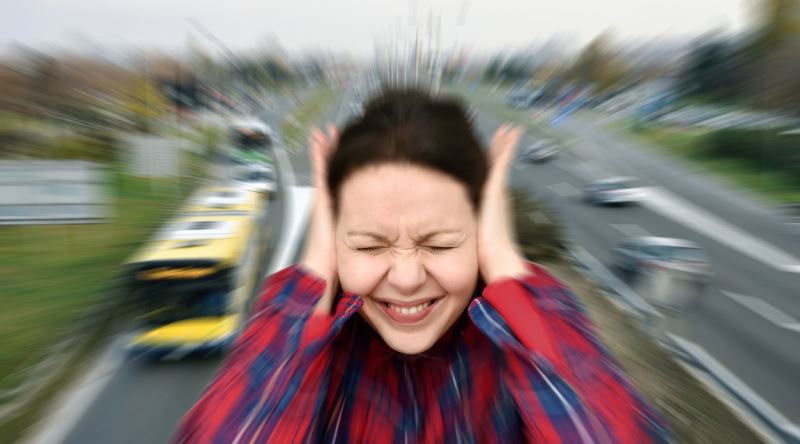
In the face of stress, our bodies trigger a cascade of biochemical reactions for survival. In the modern world, however, the “lion” is no longer a physical predator; it is an endless stream of emails or traffic congestion.
- The Sympathetic Nervous System: When left “on” constantly, the body remains in a perpetual state of alarm.
- The Freeze Response: When stress levels exceed capacity, the system collapses; this often manifests in adults as chronic demotivation and emotional numbness.
2. What is Somatic Experiencing?
Developed by Dr. Peter Levine, this approach argues that stress cannot be resolved through talk therapy alone (at a cognitive level). Instead, therapy focuses on bodily sensations—such as tremors, temperature changes, or muscle tension—to release the “survival energy” trapped within the nervous system.
3. Where Does Stress Reside in the Body?
The most common physical “parking spots” for chronic stress in adults are:
- Jaw and Neck: Unexpressed anger or suppressed words often manifest as jaw clenching (bruxism).
- The Psoas Muscle (The Muscle of the Soul): Located in the abdominal cavity, this muscle contracts under stress to prepare us for the “fetal position.” Chronic tension here is often reflected as lower back pain.
- The Diaphragm: Shallow breathing constantly signals to your brain that “we are in danger.”
4. Strategies to Regulate Your Nervous System
If you cannot calm your mind, use your body to send a “we are safe” signal to your brain:
- Vagus Nerve Activation: Splashing cold water on your face or practicing deep diaphragmatic breathing engages the body’s primary “calm down” command (the vagus nerve).
- Grounding: Feeling the contact of your feet against the floor shifts your focus from mental chaos to physical reality.
- Shaking and Movement: Animals in nature shake off energy after surviving a threat. For adults, light shaking or rhythmic movement serves as a vital stress discharge.
Conclusion: Reconnect with Your Body
Healing is not just about what we think, but how we feel. When you begin to read your body’s signals not as “glitches” but as “messages,” you unlock the door to freedom from chronic stress. Ask yourself: “What is my body trying to tell me right now?”
By: Dilara KARABACAK